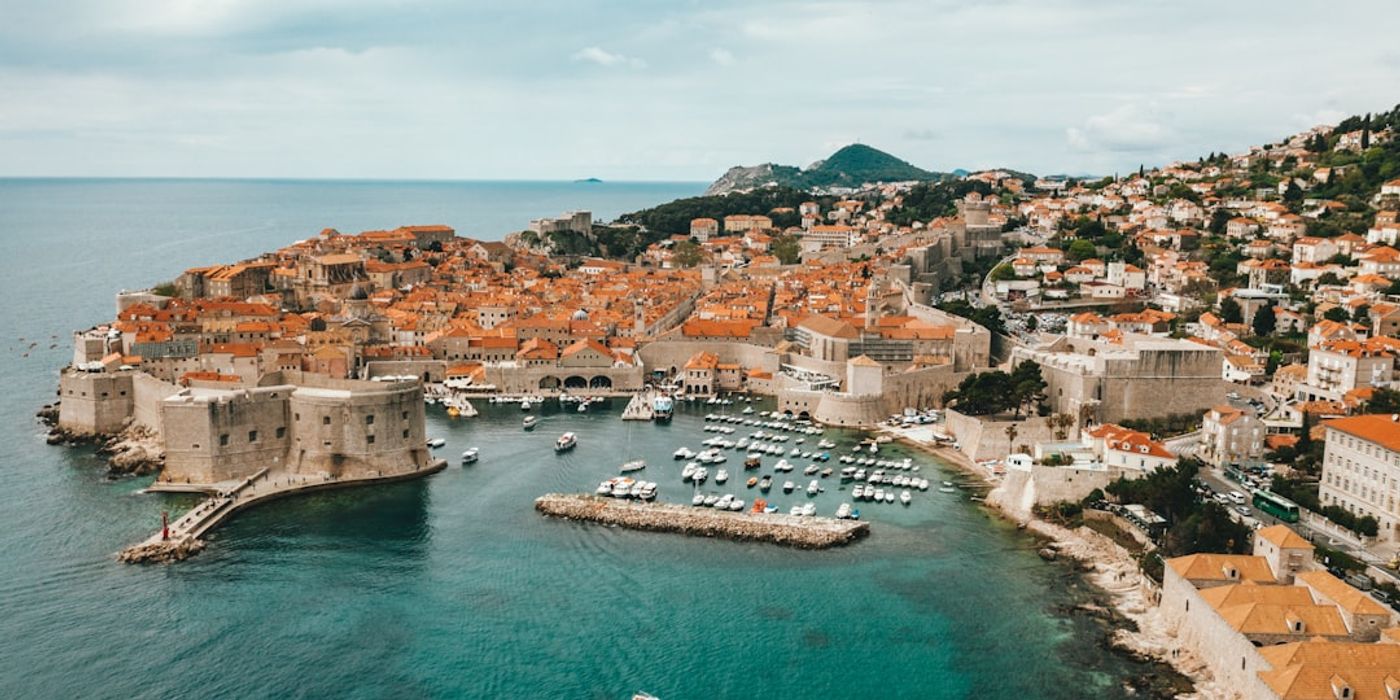
Split Travel Guides
Browse and explore the best travel guides in Split.
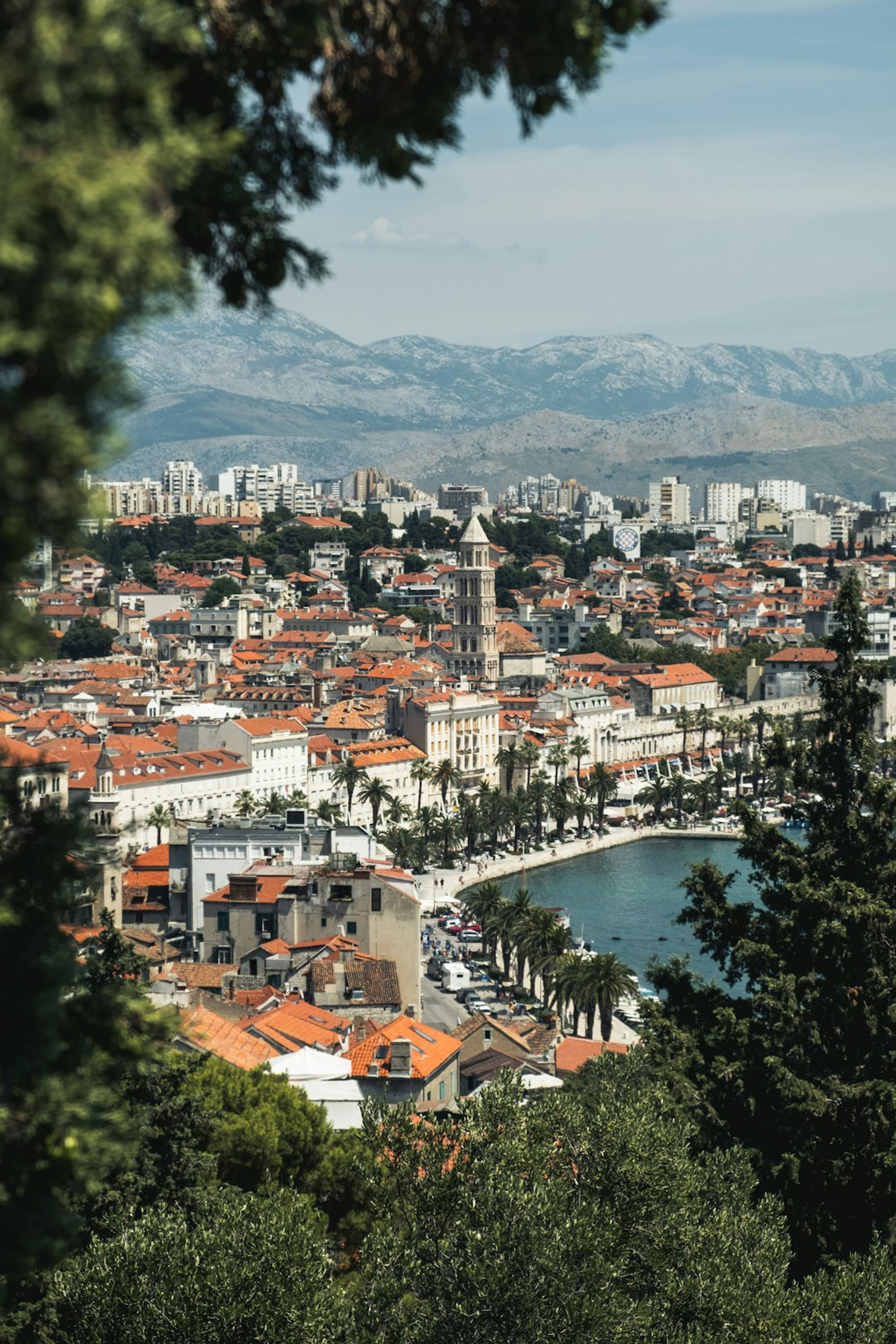
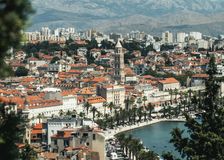
Split is Croatia's second-largest city and the beating heart of Dalmatia, set on a sun-bleached peninsula where the Adriatic meets a wall of coastal mountains. The city's defining feature is Diocletian's Palace, a 4th-century Roman emperor's retirement complex that locals never abandoned — instead they built homes, cafés, and shops into its ancient walls, turning the UNESCO-listed site into a living, breathing old town.
Beyond the palace, Split balances easygoing Mediterranean life with a busy ferry port that connects the mainland to Hvar, Brač, Vis, and dozens of other Dalmatian islands. The Riva promenade hums with evening strollers, Marjan Hill offers pine forests and hidden swimming coves minutes from the centre, and the surrounding coast unfolds into pebble beaches, vineyards, and Roman ruins at Salona.
With direct flights from across Europe, a compact walkable centre, and easy access to islands and national parks, Split works equally well as a destination in its own right or as a launchpad for exploring the wider Adriatic coast.
Split Travel Facts
Split Travel Guides
Stay in the loop
Get the latest deals, new destinations, and travel tips delivered straight to your inbox.
No spam, unsubscribe anytime.
Latest Travel Guides

Split Destination FAQ
The best time to visit Split is May to June and September to early October, when the weather is warm, the sea is swimmable, and the summer crowds are thinner. July and August are hot (often 28-32°C) and busy, especially around Diocletian's Palace and the ferry port, but they are the liveliest months for nightlife and island-hopping. April and late October are cooler and quieter, with most cafes and ferries still running, while December to February is mild but many waterfront restaurants and island ferries reduce service.
Split Airport (SPU) is about 25 km west of the city in Kastela, and the easiest options are the airport shuttle bus, a public Promet bus (line 37), a taxi, or a pre-booked transfer. The shuttle bus runs to the main bus station next to the ferry port in around 30-40 minutes and is timed with flights. Taxis typically take 25-30 minutes outside peak summer traffic, and ride-hailing apps like Bolt and Uber also operate. In high season, allow extra time as the coastal road can be slow.
The best way to get around central Split is on foot, since the old town, Riva, Marjan Hill, and main beaches are all within a 20-30 minute walk of each other. For longer trips to Salona, Trogir, or the airport, use Promet city buses, taxis, or ride-hailing apps like Bolt. A car is unnecessary in the centre and parking is expensive, but it can be useful if you plan to explore the wider Dalmatian coast or inland national parks.
Plan to spend 2 to 4 days in Split. Two full days are enough to explore Diocletian's Palace, the Riva, Marjan Hill, and the main museums, plus one beach afternoon. Three to four days let you add a day trip to Trogir, Salona, or Krka National Park, or an island excursion to Hvar, Brač, or Vis. If you plan to use Split as a base for multiple islands, 5 to 7 days gives a more relaxed pace.
Split is generally very safe for tourists, including solo travellers and families. Violent crime is rare, and the main issues are petty theft and pickpocketing in crowded areas like Diocletian's Palace, the ferry terminal, and busy beaches in summer. Use normal precautions: keep valuables out of sight, watch your belongings on packed buses and ferries, and stick to lit streets at night. Tap water is safe to drink, and emergency services can be reached on 112.
On trip1, you can book hotels across Split and pay with over 50 cryptocurrencies including Bitcoin, Ethereum, and USDC. trip1 covers 3 million+ hotels in 190+ countries, making it easy to find and book accommodation with crypto.
Split's main neighbourhoods radiate out from Diocletian's Palace and the harbour. Grad (the old town inside and just outside the palace walls) is the historic core, packed with restaurants, bars, and boutique stays. Veli Varoš and Lučac are quieter stone-house quarters favoured by visitors who want character without the noise. Bacvice is the lively beach district just east of the centre, while Marjan and Meje to the west offer pine forest, hidden coves, and upscale residential streets. Znjan, further east, has larger modern hotels and family beaches.
Split is one of Croatia's best day-trip bases. The most popular options are the medieval island town of Trogir (30 minutes by bus or boat), the Roman ruins of Salona just outside the city, and Krka National Park with its waterfalls (about 1.5 hours by car or organised tour). By ferry or catamaran you can reach Hvar, Brač (Zlatni Rat beach), and Vis in 1 to 2.5 hours, and many visitors also do an organised Blue Cave and Hvar speedboat tour.